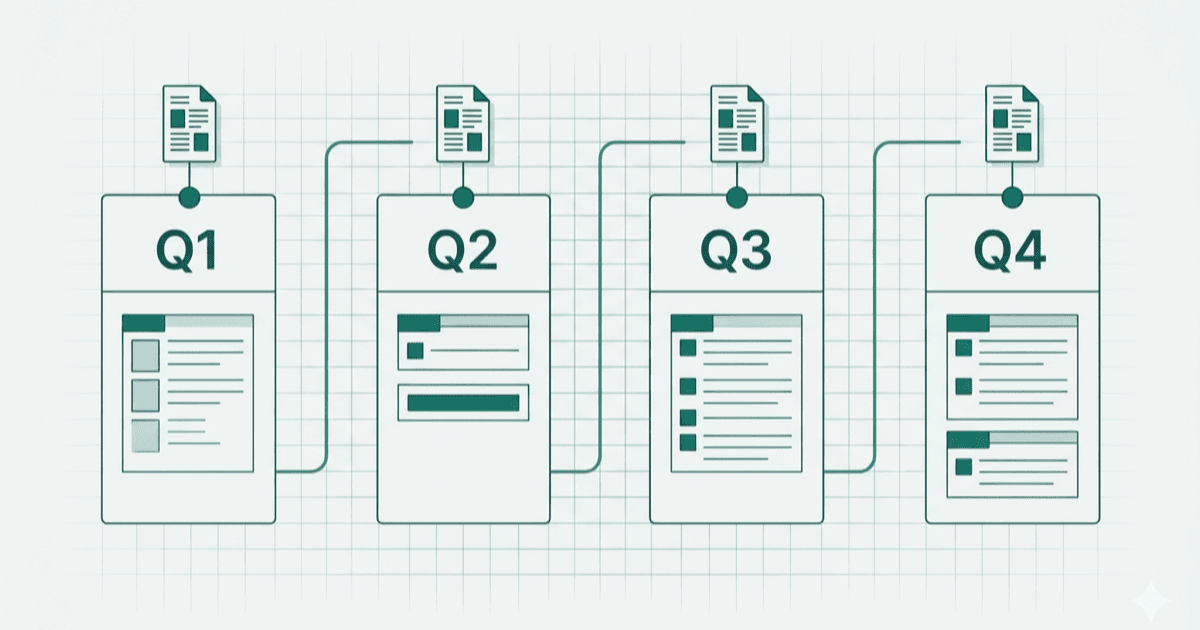
Fig 01 · New GST Return Filing Deadlines for FY 2026-27: Key Dates for Your Practice
The GST return calendar for FY 2026-27 follows the structure established in prior years, with a few important operational points that CA practices need to incorporate into their client management processes from April 2026. This article lays out the complete filing calendar for monthly filers, QRMP filers, and annual return obligations, and flags what is different from FY 2025-26.
Always verify specific due dates against the latest CBIC notifications at cbic.gov.in, since CBIC routinely issues late-date extension circulars, particularly around festival periods and quarter-end months.
Monthly Filers Calendar
Monthly filers are registered taxpayers with aggregate annual turnover exceeding Rs. 5 crore, or taxpayers below that threshold who have opted out of the QRMP scheme.
GSTR-1 (Outward Supplies Statement)
GSTR-1 is due on the 11th of the following month. For example, GSTR-1 for April 2026 is due by 11 May 2026. The GSTR-1 deadline triggers GSTR-2B population for the recipient's ITC, so consistent on-time filing is essential for maintaining buyer relationships.
| Month | GSTR-1 Due Date |
|---|---|
| April 2026 | 11 May 2026 |
| May 2026 | 11 June 2026 |
| June 2026 | 11 July 2026 |
| July 2026 | 11 August 2026 |
| August 2026 | 11 September 2026 |
| September 2026 | 11 October 2026 |
| October 2026 | 11 November 2026 |
| November 2026 | 11 December 2026 |
| December 2026 | 11 January 2027 |
| January 2027 | 11 February 2027 |
| February 2027 | 11 March 2027 |
| March 2027 | 11 April 2027 |
GSTR-3B (Summary Return and Tax Payment)
GSTR-3B for monthly filers is due on the 20th of the following month for all taxpayers. The 20th is a uniform due date; unlike in the early years of GST, there is currently no staggered 20th/22nd/24th split for monthly filers.
| Month | GSTR-3B Due Date |
|---|---|
| April 2026 | 20 May 2026 |
| May 2026 | 20 June 2026 |
| June 2026 | 20 July 2026 |
| July 2026 | 20 August 2026 |
| August 2026 | 20 September 2026 |
| September 2026 | 20 October 2026 |
| October 2026 | 20 November 2026 |
| November 2026 | 20 December 2026 |
| December 2026 | 20 January 2027 |
| January 2027 | 20 February 2027 |
| February 2027 | 20 March 2027 |
| March 2027 | 20 April 2027 |
Other monthly returns
GSTR-7 (TDS deductors) and GSTR-8 (e-commerce operators for TCS) are due on the 10th of each month. GSTR-6 (Input Service Distributor return) and GSTR-5/5A (non-resident taxable persons and OIDAR service providers) are due on the 13th of each month.
QRMP Filers Calendar
QRMP taxpayers (aggregate annual turnover up to Rs. 5 crore who have opted in) file GSTR-1 and GSTR-3B quarterly. They make monthly tax payments via PMT-06 for the first two months of each quarter. See The Complete QRMP Scheme Guide for the opt-in mechanics and payment methods.
Quarterly GSTR-1 due dates:
| Quarter | GSTR-1 Due Date |
|---|---|
| Q1 (April to June 2026) | 13 July 2026 |
| Q2 (July to September 2026) | 13 October 2026 |
| Q3 (October to December 2026) | 13 January 2027 |
| Q4 (January to March 2027) | 13 April 2027 |
Invoice Furnishing Facility (IFF) for QRMP filers (optional, for B2B invoices of Month 1 and Month 2 of each quarter):
| IFF Period | Due Date |
|---|---|
| April 2026 | 13 May 2026 |
| May 2026 | 13 June 2026 |
| July 2026 | 13 August 2026 |
| August 2026 | 13 September 2026 |
| October 2026 | 13 November 2026 |
| November 2026 | 13 December 2026 |
| January 2027 | 13 February 2027 |
| February 2027 | 13 March 2027 |
Quarterly GSTR-3B due dates:
The 22nd/24th split applies to QRMP filers based on state. Category 1 states (Maharashtra, Karnataka, Goa, Tamil Nadu, Telangana, Andhra Pradesh, Kerala, and others in the south and west) have GSTR-3B due on the 22nd. Category 2 states (northern and eastern states) have GSTR-3B due on the 24th.
| Quarter | Category 1 States | Category 2 States |
|---|---|---|
| Q1 (April to June 2026) | 22 July 2026 | 24 July 2026 |
| Q2 (July to September 2026) | 22 October 2026 | 24 October 2026 |
| Q3 (October to December 2026) | 22 January 2027 | 24 January 2027 |
| Q4 (January to March 2027) | 22 April 2027 | 24 April 2027 |
PMT-06 monthly payment due dates for QRMP filers:
PMT-06 is required on the 25th of the month following Month 1 and Month 2 of each quarter.
| Payment Month | PMT-06 Due Date |
|---|---|
| April 2026 (Q1 Month 1) | 25 May 2026 |
| May 2026 (Q1 Month 2) | 25 June 2026 |
| July 2026 (Q2 Month 1) | 25 August 2026 |
| August 2026 (Q2 Month 2) | 25 September 2026 |
| October 2026 (Q3 Month 1) | 25 November 2026 |
| November 2026 (Q3 Month 2) | 25 December 2026 |
| January 2027 (Q4 Month 1) | 25 February 2027 |
| February 2027 (Q4 Month 2) | 25 March 2027 |
Annual Return Deadlines
GSTR-9 (Annual Return) and GSTR-9C (Reconciliation Statement):
Both are due by 31 December 2027 for FY 2026-27. GSTR-9C (self-certified reconciliation statement) is applicable to taxpayers with aggregate annual turnover above Rs. 5 crore. Below Rs. 5 crore, GSTR-9C is optional; GSTR-9 filing itself is also optional (but recommended) for taxpayers with turnover below Rs. 2 crore.
GSTR-4 (Composition Scheme Annual Return):
Due by 30 April 2027 for FY 2026-27.
Key Changes from Last Year
Three-year filing limit is now enforced. From FY 2026-27, taxpayers can no longer file a return for any period beyond three years from the original due date of that return. Clients who have missed past returns should be identified and their filing windows verified before 31 March 2027.
Post-sale discount credit notes no longer need pre-agreement. Budget 2026 removed the requirement that a written agreement must pre-date the supply for a post-sale discount credit note to be valid for value reduction. The recipient must still reverse ITC on the discounted portion when the credit note is received. This changes the compliance workflow for distribution-sector clients who issue volume discount credit notes at quarter-end.
ITC reconciliation window tightened. The GST portal's GSTR-2B data is considered final within a shorter window than in earlier years. CAs should advise clients to match purchase registers against GSTR-2B monthly rather than annually. Late mismatches trigger Table 4(D) corrections in GSTR-3B, which draw scrutiny. See GST Invoice Mismatches: 8 Things to Check Before Filing GSTR-1 for the reconciliation checklist.
How to Never Miss a Deadline
A GST compliance calendar alone does not prevent missed deadlines. The failure mode is not ignorance of the date; it is client-side delays (late invoices, unresponded data requests) that compress the CA's working window to zero.
The practices that consistently meet deadlines share three habits:
First, they set internal cut-off dates that are five to seven working days before the statutory deadline. The GSTR-1 may be due on the 11th, but the client must send all sales data by the 4th. This is non-negotiable and is communicated at the start of the engagement, not on the 10th.
Second, they track completion status across all GST registrations in their portfolio in a single view, not in individual folders or email threads. When the practice has 40 GST clients, knowing at a glance on the 8th which ones have unconfirmed data and which are ready to file is the difference between a manageable push and a crisis.
Third, they treat QRMP clients differently from monthly clients. A QRMP client has three compliance obligations per month (PMT-06 and IFF for M1 and M2 of each quarter) even though the return is quarterly. Practices that apply the monthly-filer mindset to QRMP clients will miss PMT-06 dates.
The FiledRight rules engine tracks all GST filing obligations across your practice with per-client visibility, flagging clients who are approaching deadlines without confirmed filings.