Fig 01 · 5 Document Collection Mistakes That Delay ITR Filing Every Year
Every July, the same pattern plays out across CA practices. The filing deadline is days away. Half your clients have submitted complete documents. A quarter have submitted something but not everything. The rest have submitted nothing at all. The sprint begins: follow-up messages, urgent calls, late nights, and the unavoidable question of which clients you can file on time and which will require an extension or a belated filing.
This is not bad luck. It is the predictable result of five specific mistakes, made in the same way, every year. The good news is that each mistake has a known fix, and implementing those fixes before the next season starts is entirely achievable.
Mistake 1: Waiting Until July to Start Collection
The most consequential mistake in ITR document collection is starting too late. When collection begins in July, everything is already urgent, and there is no buffer for the inevitable delays and complications.
Consider the timeline. Form 16 can be issued by employers after they file their Q4 TDS returns, which is due by 31 May. Most employers issue Form 16 between mid-June and early July. If you only start collection after Form 16 is available, you are compressing your entire collection and filing process into three to four weeks. Any client who is slow to respond, any document that requires a correction, any employer who issues Form 16 late, now threatens your ability to file on time.
Start collection in May. Send your clients a preliminary request for all documents that are available before Form 16 is issued: bank statements, investment proofs under Section 80C, interest certificates, capital gains statements, rent receipts, and premium certificates. Most of these documents are available from the start of the new financial year. Collecting them early means that when Form 16 arrives in mid-June, you only need that one remaining document and you can file quickly.
This approach also reveals collection problems early. A client who does not respond to your May request is not going to become more responsive in July. Identifying and addressing these clients while you have time is far better than discovering the problem when the deadline is imminent.
Mistake 2: Using Unclear or Generic Checklists
A checklist that says "investment proofs" is not a useful instruction. It could mean ELSS statements, PPF passbook copies, life insurance premium receipts, NPS transaction statements, or tuition fee receipts. A client who is unsure which of these to send often sends nothing rather than guess wrong.
Generic checklists produce incomplete submissions. The same client who seems unresponsive under a vague request often responds promptly when given a specific list.
The fix is to customise your document request for each client's situation. If you know a client has a home loan, include a request for the loan certificate showing principal and interest paid. If you know a client received dividends last year, include a request for dividend statements. If a client is a partner in a firm, include a request for their share of profit computation from the firm's CA.
This customisation requires knowing your clients, which you do. It takes a few extra minutes per client to personalise the checklist, and it saves multiple follow-up cycles.
Pair your checklist with brief guidance on where to find each document. Many clients delay not because they are unwilling but because they do not know how to obtain a specific document. Why Your Clients Hate Sending Documents examines this friction in detail and offers practical guidance on reducing it.
Mistake 3: No Version Tracking for Submitted Documents
By the time you are filing a return, you may have received several versions of the same document. A client sends bank statements for April to December, then later sends the January to March statement separately. Or they send a corrected Form 16 after finding that their employer had issued one with an error. Or you receive two capital gains statements from different platforms and you are not sure which one supersedes the other.
Without a version tracking system, this becomes genuinely dangerous. Filing a return based on an outdated or incorrect document, when a corrected version exists, is a preventable error that creates complications at best and attracts scrutiny at worst.
The practical solution is simple naming and organisation. When a document is received, name it with the document type, client name, financial year, and a version number. When a replacement document arrives, it gets v2 and the earlier version is archived rather than deleted. The working set is always clearly identified.
Beyond naming, maintain a simple status for each required document: requested, received, verified, or missing. "Received" is not the same as "verified." A bank statement received and a bank statement checked for completeness and correctness are two different things. Conflating them is a common source of late-stage surprises.
Mistake 4: Missing Form 16 Part B
Form 16 has two parts. Part A is the TDS certificate generated from TRACES, showing the employer's TAN, the employee's PAN, and the quarterly TDS amounts deposited. Part B is the salary breakup, including gross salary components, exemptions, and deductions. Part B is prepared by the employer, not generated from TRACES.
Many clients, when asked for Form 16, send only Part A, either because their employer issued them separately and they only received one, or because they did not know Part B exists. A return filed with only Part A lacks the salary breakup needed to correctly compute taxable income and deductions.
The fix is to be explicit in your request. Do not ask for "Form 16." Ask for "Form 16 with both Part A and Part B. Part A should have a TRACES watermark. Part B should show the salary breakup and deductions your employer has considered." This level of specificity means the client either provides the right document or comes back to you with a question, which is better than a silent incomplete submission.
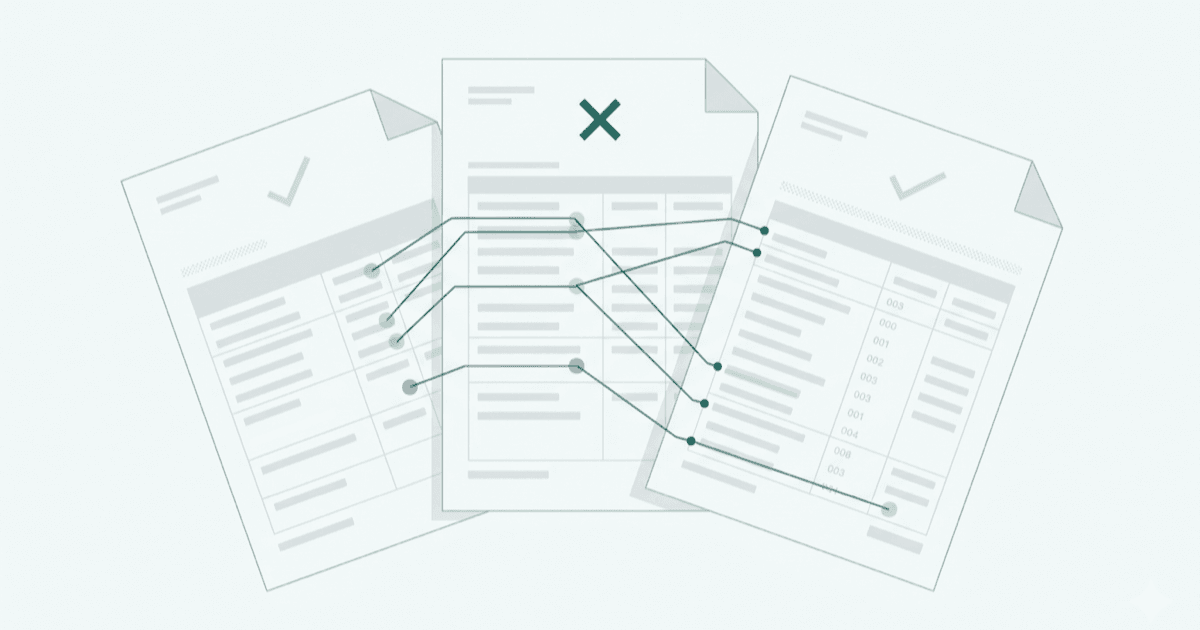
Also verify that Part A and Part B match. The PAN, TAN, and employer details should be consistent across both parts. The TDS amounts in Part A should align with what is reflected in Form 26AS. Mismatches are common enough that checking this as a routine step rather than an exception process saves time.
The detailed process for cross-referencing Form 16 against AIS and 26AS is covered in Form 16 vs 26AS vs AIS: A CA's Reconciliation Checklist.
Mistake 5: Not Cross-Checking AIS Early
The Annual Information Statement (AIS) is one of the most important documents in the ITR process, and it is also one of the most commonly ignored until something goes wrong. Many CAs check AIS only when they are about to file, by which point there is little time to act on what they find.
AIS aggregates income data from multiple third-party sources: banks, mutual fund RTAs, brokers, deposit-taking institutions, and others. It often contains income that the client has not reported, either because they forgot about it or because they did not know it needed to be declared.
The common categories of AIS surprises include: savings account interest from accounts the client does not actively monitor; dividend income that the client thought was too small to matter; capital gains from units that were redeemed automatically under a systematic withdrawal plan; and income from secondary sources like a joint account or a minor's income that should be clubbed.
When you find these items late, you face a compressed window to verify them with the client, determine whether they are correctly reported or contain errors, and decide how to handle them in the return. If the AIS item is genuinely wrong (which happens), you can file feedback in the AIS portal, but this takes time.
The fix is to download and review AIS for each client at the start of the collection cycle, before sending the initial document request. This gives you the opportunity to ask the client specifically about items that appear in AIS, rather than discovering them at the filing stage.
How to Fix the Cycle
The five mistakes above share a common thread: they are all consequences of reactive rather than proactive collection. A collection process that waits for clients to submit, uses generic requests, and checks documents only at the filing stage will produce delays. A process that starts early, uses specific instructions, tracks submissions systematically, and verifies against AIS from the beginning will not.
The investment required is not large. A few hours of preparation at the start of the season, spent refining your checklists, updating your AIS review process, and preparing version-tracked document folders, prevents fifty hours of July follow-up.
The question worth asking is not whether you can afford to change the process. It is whether you can afford another season of the same July sprint. The Real Cost of Manual Compliance Tracking helps you calculate that number concretely.
Start next season's collection in April. You will file July's returns in June.